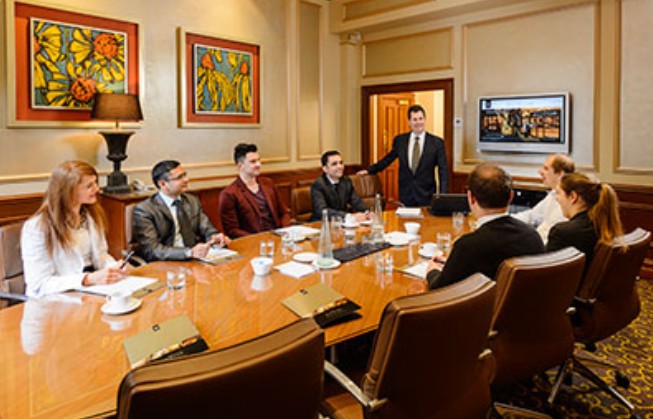
Hospitable Hotels With Conference Rooms And Meeting Facilities
Hotels With Conference Rooms And Meeting Facilities play a crucial role in today’s corporate world, offering versatile spaces for various events, from team meetings to large conferences. These venues cater to the diverse needs of businesses, ensuring that every aspect of the meeting is covered, from advanced technology to catering services. In this exploration, we will delve into what makes these hotels ideal for professional gatherings, the essential features they offer, and how they can enhance the overall experience for both hosts and attendees.
With a range of room types, essential amenities, and expert planning services, hotels specifically designed for conferences make it easier for organizers to host successful events. Moreover, factors like location, customer feedback, and health protocols significantly influence the decision-making process when selecting the right venue.
Overview of Hotels with Conference Rooms
In today’s fast-paced business environment, hotels with conference rooms and meeting facilities have become essential venues for corporate gatherings, conferences, and events. These spaces are specifically designed to cater to the needs of professionals, offering the right ambiance and tools to ensure a successful meeting. Choosing a hotel that provides comprehensive meeting facilities can significantly enhance the overall experience for attendees and organizers alike.Conference rooms in hotels come in various forms and configurations, allowing flexibility to accommodate different types of events.
From intimate board meetings to larger seminars, each type of conference room is equipped with specific features that cater to diverse needs. Common types include executive boardrooms, which offer a more private setting for high-level discussions, and larger seminar rooms designed for workshops and presentations. These spaces are typically furnished with comfortable seating arrangements, audio-visual equipment, and high-speed internet access.
Benefits of Choosing Hotels with Meeting Facilities
Selecting hotels that offer meeting facilities provides numerous advantages that can streamline the planning process and enhance the overall event experience. Below are some critical benefits to consider:
- Convenience: Hotels with conference rooms allow attendees to stay on-site, minimizing travel time and logistics. This can lead to better punctuality and engagement during sessions.
- All-in-One Solutions: Many hotels provide catering services, event planning assistance, and technical support, making it easier for organizers to focus on their agenda rather than logistics.
- Professional Atmosphere: Designed specifically for business interactions, conference rooms in hotels create a professional environment that fosters productivity and collaboration.
- Flexibility: Hotels typically offer a variety of room sizes and configurations, allowing planners to choose the perfect setup based on the number of attendees and the nature of the event.
- Networking Opportunities: Hosting events at a hotel provides a unique opportunity for networking with other business professionals who may be staying at the location, potentially leading to valuable connections.
Hotels with meeting facilities not only serve as a venue but also enhance the event experience through convenience and professional services.
The selection of hotels with conference rooms is a strategic decision for any business looking to host events that require a conducive environment for discussion, learning, and collaboration. These spaces are tailored to meet the specific needs of businesses and help in fostering a productive atmosphere.
Essential Features of Conference Rooms
Conference rooms are vital spaces for any business gathering, from team meetings to larger conferences. The right features can significantly influence the productivity and effectiveness of these meetings. Understanding what makes a conference room suitable is crucial for ensuring successful interactions.A well-equipped conference room should cater to the specific needs of its users while providing a comfortable and conducive environment for collaboration.
Essential features include adequate space, comfortable seating, and natural lighting, all of which contribute to a more inviting atmosphere. Moreover, the integration of modern technology can amplify the effectiveness of meetings, making it essential to have the right tools at hand.
Importance of Audio-Visual Equipment
Audio-visual (AV) equipment is a fundamental component of any effective conference room. This technology enhances communication and engagement during meetings. The following equipment is essential to achieve optimal results:
- Projectors and Screens: These facilitate visual presentations, allowing participants to see information clearly, whether it’s slides, videos, or data, enhancing understanding and retention.
- Microphones and Speakers: Quality sound systems ensure that every participant can hear and be heard, which is particularly important in larger rooms or when hosting remote attendees.
- Video Conferencing Tools: With the rise of hybrid meetings, having reliable video conferencing capabilities enables seamless connections between on-site and remote participants, ensuring inclusivity.
Role of Internet Connectivity and Tech Support
Reliable internet connectivity and tech support are crucial in creating a productive meeting environment. A stable internet connection is necessary for accessing online resources and conducting video calls. In today’s world, where many businesses operate on digital platforms, having robust internet access is not just an option but a requirement. Tech support further enhances the user experience by addressing any technical issues promptly, allowing meetings to flow without disruptions.
The following aspects highlight the importance of internet connectivity and tech support:
- High-Speed Internet: Essential for streaming, sharing files, and facilitating online collaboration in real-time.
- Technical Assistance: On-site IT support can troubleshoot issues as they arise, minimizing downtime during meetings and ensuring smooth operation.
- Multiple Connections: Providing enough bandwidth for all attendees and devices helps to avoid connectivity issues, particularly in larger groups.
Types of Meeting Facilities
Meeting facilities come in various forms, each tailored to accommodate different styles of gatherings. Understanding these types not only aids in choosing the right space but also enhances the overall effectiveness of the meetings. With the right setup, meetings can facilitate collaboration, inspire creativity, and drive productivity among participants.Flexible meeting spaces play a crucial role in adapting to diverse needs and preferences.
The ability to rearrange furniture and equipment allows for a more dynamic atmosphere, catering to everything from formal business strategies to informal brainstorming sessions. This adaptability can significantly impact participant engagement and satisfaction.
Common Meeting Space Setups
Different setups are designed to meet specific requirements for various types of events. Below are some of the most common configurations that hotels with conference rooms offer:
- Boardroom Style: Designed for smaller groups, this setup features a large table surrounded by chairs, ideal for discussions and presentations.
- Theater Style: Perfect for larger audiences, this arrangement places chairs in rows facing the front, maximizing seating capacity without tables.
- Classroom Style: Similar to theater style but includes tables for participants, making it suitable for workshops and training sessions.
- U-Shape Style: Chairs are arranged in a U formation, encouraging interaction among participants while providing a clear view for presentations.
- Banquet Style: Round tables are set up for dining or group discussions, fostering a more relaxed and social environment.
Each of these setups provides unique advantages, allowing hosts to tailor the environment to their specific objectives.
Hotels with Unique Meeting Facilities
Certain hotels stand out for their innovative meeting facilities, providing unique environments that enhance the meeting experience. Examples include:
The Ritz-Carlton, Los Angeles
Known for its high-tech meeting rooms featuring 360-degree projection screens and customizable lighting to set the mood.
The Clarion Hotel and Conference Center
Offers outdoor meeting spaces surrounded by nature, providing a breath of fresh air and natural light for gatherings.
The Marriott Marquis in San Francisco
Features a stunning rooftop event space with panoramic views of the city, creating a memorable backdrop for any meeting or event.These hotels not only offer functional meeting spaces but also understand the importance of creating an inspiring atmosphere that can motivate and energize participants.
Catering Services for Conferences
Catering services play a pivotal role in the success of conferences and meetings hosted in hotels. Offering a range of food and beverage options, these services not only enhance the overall experience but also contribute significantly to attendee satisfaction and engagement. A well-thought-out catering plan can transform a typical meeting into a memorable event that fosters networking and collaboration among participants.Hotels typically provide a variety of catering options to suit different types of events and dietary preferences.
These options often include buffet-style meals, plated dinners, snack breaks, and beverage services. Many hotels have experienced catering teams that work closely with event planners to curate menus tailored to the specific needs of the conference, ensuring that all attendees feel included and catered to.
Catering Options Available at Hotels
The catering services offered by hotels can encompass a wide array of culinary choices. When selecting catering for a conference, it’s essential to consider not only the variety of dishes but also the presentation and service style. Here are some common catering options:
- Buffet-style meals: This option allows guests to serve themselves from a variety of dishes, promoting mingling and interaction among participants.
- Plated meals: A more formal choice, plated meals are served directly to attendees, which can be ideal for seated conferences or awards dinners.
- Snack stations: These can include coffee and tea breaks, along with light snacks such as pastries, fruit, and granola bars, keeping energy levels high throughout the event.
- Beverage services: Hotels typically offer a selection of drinks, including soft drinks, coffee, tea, and alcoholic beverages, which can be customized based on the event’s nature.
The impact of food and beverage services on meeting success cannot be overstated. Attendees often remember a conference based on the quality of the catering. Well-prepared meals can significantly enhance focus, productivity, and overall morale. A study conducted by a leading event management organization found that 70% of participants believed that food quality directly influenced their perception of a conference’s professionalism.
Importance of Dietary Accommodations in Catering Services
Providing dietary accommodations is a crucial aspect of effective catering services. With the growing awareness of various dietary restrictions and preferences, hotels must accommodate diverse needs to ensure all attendees feel welcome and included. Key considerations include:
- Allergies: Many individuals have food allergies, necessitating clear labeling and the option to provide allergy-free meals.
- Vegetarian and vegan options: Offering plant-based choices caters to attendees who follow vegetarian or vegan diets, reflecting a commitment to inclusivity.
- Gluten-free selections: With an increasing number of individuals with gluten sensitivities or celiac disease, gluten-free options are essential.
- Cultural considerations: Understanding and providing meals that align with various cultural practices can enhance participant engagement and satisfaction.
By addressing these dietary needs, hotels can ensure that every participant is well-fed and comfortable, which contributes to a more productive and harmonious conference atmosphere. As the hospitality and events industry continues to evolve, the importance of catering services remains a key factor in creating successful and memorable conferences.
Planning and Coordination Services
Hotels with conference rooms and meeting facilities often provide dedicated event planners to ensure that every detail of your event is meticulously organized. These professionals play a critical role in transforming your vision into reality, managing everything from venue selection to final execution. Their expertise not only saves you time but also enhances the overall experience for attendees, making the event a success.Event planners at hotels are skilled in coordinating logistics, managing schedules, and facilitating communication among vendors.
They serve as the main point of contact, allowing you to focus on the content of your conference rather than the intricacies of the planning. This support can make a significant difference, especially for larger events that require precise timing and coordination.
Checklist for Coordinating a Successful Conference
Creating a detailed checklist is essential for ensuring that all aspects of your conference are covered. This list serves as a roadmap for the event planning process and can help prevent any oversight. Here are key items to consider when organizing a conference at a hotel:
- Determine the conference goals and objectives.
- Select the appropriate hotel venue based on capacity and location.
- Finalize the event date and time.
- Arrange for audio-visual equipment and technical support.
- Coordinate catering services for meals and refreshments.
- Prepare a schedule of sessions, speakers, and breakout activities.
- Design and distribute conference materials, such as programs and name tags.
- Establish a registration process for attendees.
- Communicate logistics and expectations to all stakeholders.
- Plan for on-site support throughout the event.
Successful coordination involves thorough planning and the anticipation of potential challenges. By utilizing a checklist, event planners can remain organized and ensure that no detail goes overlooked.
Importance of Logistical Support in Meeting Planning
Logistical support is a cornerstone of effective meeting planning, as it encompasses all the behind-the-scenes activities necessary for a seamless event. From transportation arrangements to equipment setup, logistical considerations are crucial for creating a smooth-flowing experience.The role of logistical support includes ensuring that all technical equipment functions correctly, coordinating the arrival and setup of catering services, and managing traffic flow for attendees.
Effective logistical planning can significantly enhance the attendee experience by minimizing disruptions and maximizing engagement during sessions.
“Well-organized logistics are the backbone of any successful conference.”
In conclusion, the presence of experienced event planners and robust logistical support within hotels significantly enhances the quality and efficiency of conference planning. Their expertise not only streamlines the process but also elevates the overall experience for all involved, ensuring that every aspect of the event aligns with the established goals.
Location Benefits of Hotels with Meeting Facilities
When it comes to hosting conferences and meetings, the location of the hotel plays a pivotal role in the overall success of the event. Different areas offer unique advantages that can enhance the experience for attendees, particularly when considering urban versus suburban settings. Understanding the impact of location can help in making an informed decision for your next event.Urban hotel locations often boast a vibrant atmosphere filled with various attractions, but suburban hotels provide a quieter, more relaxed environment.
Each has its distinct benefits, making the choice dependent on the desired experience for conference attendees.
Urban vs. Suburban Locations
Urban hotels typically offer proximity to a wide range of cultural attractions, dining options, and entertainment venues that can enrich the conference experience. In contrast, suburban hotels often provide ample space for larger gatherings and may have more affordable pricing. Here are some benefits of each:
- Urban Hotels:-Close to major attractions such as museums, theaters, and restaurants, which can be leveraged for networking events and team-building activities.
-Better accessibility for attendees arriving from different regions, often situated near airports and public transportation.
- Suburban Hotels:-Larger venues and meeting rooms, accommodating bigger groups comfortably while providing necessary amenities.
-Reduced distractions, allowing attendees to focus entirely on the conference without the hustle and bustle of city life.
Proximity to Transportation Hubs
The ease of access to transportation hubs is crucial for successful event planning. Hotels situated near airports or major highways can significantly reduce travel time, making it convenient for attendees to reach the venue.
“A centralized location enhances attendance rates and minimizes travel fatigue.”
Hotels close to such hubs provide the following advantages:
- Quick access to airports reduces the time and stress of travel logistics for attendees coming from various locations.
- Proximity to public transport allows for easy commuting within the city, encouraging attendees to explore local attractions during their downtime.
Nearby Amenities for Attendees, Hotels With Conference Rooms And Meeting Facilities
The availability of amenities surrounding a hotel can greatly influence the experience of attendees. Having restaurants, coffee shops, and recreational facilities nearby can enhance their stay significantly. The benefits of having nearby amenities include:
- Convenient dining options for meals and casual meetings, allowing for networking opportunities outside formal settings.
- Access to recreational facilities like gyms or parks can provide a much-needed break for attendees, helping them recharge between sessions.
Overall, carefully considering the location of hotels with meeting facilities can lead to more successful and enjoyable conferences, benefiting both organizers and attendees alike.
Customer Reviews and Feedback: Hotels With Conference Rooms And Meeting Facilities
Analyzing customer reviews can provide valuable insights into the effectiveness of hotel conference services. Collecting feedback from attendees allows hotel management to understand the strengths and weaknesses of their facilities and services, contributing to better overall experiences for future clients. When evaluating customer reviews regarding hotel conference services, it’s essential to look for patterns in the feedback. Customers often comment on various aspects such as the quality of the meeting rooms, the availability of technology, and the responsiveness of staff.
By systematically categorizing this feedback, hotels can pinpoint areas that require improvement or highlight their strengths.
Significance of Testimonials in Choosing a Hotel for Conferences
Testimonials play a crucial role in the decision-making process for businesses considering venues for conferences. Positive reviews can greatly influence potential clients by providing social proof of a hotel’s capabilities in hosting successful events. Here are some aspects that underline the importance of testimonials:
-
Trustworthiness: Testimonials from previous clients help establish credibility.
-
Detailed Insights: Reviews often highlight specific features of the venue, such as layout and amenities.
-
Benchmarking: Comparing testimonials can help identify which hotels meet specific needs or offer unique advantages.
Common Feedback Trends from Clients
When analyzing customer reviews, several recurring themes often emerge, reflecting the collective experiences of conference attendees. Recognizing these trends can provide hotels with actionable insights to enhance their offerings. Some common feedback trends include:
-
Room Setup: Many clients emphasize the importance of flexible room layouts that accommodate different types of events.
-
Technology Availability: Positive remarks often mention the reliability of audio-visual equipment and high-speed internet access.
-
Staff Support: Attendees frequently praise attentive and knowledgeable staff who assist in the smooth running of events.
-
Catering Services: Reviews frequently highlight the quality and variety of food options available during conferences.
Utilizing customer reviews effectively can not only enhance the service quality provided by hotels but also ensure that future clients can make informed decisions based on the experiences of their predecessors.
Pricing and Packages

Source: com.tw
When planning a corporate event, understanding the pricing structures and available packages for conference room rentals is essential. Each hotel offers different rates and amenities, making it crucial to explore various options to find the best fit for your needs. This section Artikels typical pricing structures and highlights the value of package deals that include accommodations and meeting spaces.The pricing for conference room rentals can vary widely based on factors such as location, amenities, and the size of the room.
Many hotels offer flexible pricing models to cater to different budgets and requirements. Below, we Artikel the typical pricing structures you may encounter.
Typical Pricing Structures
Conference room rental fees generally depend on the duration of use, size of the room, and included amenities. Below is a breakdown of common pricing structures:
- Hourly Rates: Many hotels charge an hourly fee for conference room usage, which can range from $100 to $500 depending on the room size and location.
- Daily Rates: For longer events, a daily rate may be more economical, typically ranging from $500 to $2,500.
- Half-Day Rates: Some venues offer half-day rates for events lasting up to four hours, generally priced between $300 and $1,200.
It’s important to consider that these prices often do not include additional services such as catering, AV equipment, or technical support, which may come at an extra cost.
Value of Package Deals
Many hotels provide package deals that can significantly enhance value for organizations hosting events. These packages typically combine room rentals, accommodations, and catering services for a more streamlined experience. Here’s why they can be advantageous:
- Cost Savings: Package deals often result in significant discounts compared to booking services separately.
- Convenience: Handling all arrangements through one vendor simplifies the planning process.
- Enhanced Amenities: Packages may include additional perks like complimentary Wi-Fi, parking, or breakfast.
Hotels can cater these packages to fit various needs, making them flexible for both small and large events.
Comparison of Pricing for Different Hotels
To make an informed decision, it’s helpful to compare the offerings of different hotels. Below is a comparison chart illustrating typical pricing and package details among several popular hotel chains:
| Hotel Name | Hourly Rate | Daily Rate | Half-Day Rate | Package Deal Price |
|---|---|---|---|---|
| Hotel A | $150 | $1,200 | $700 | $1,800 (includes 1 night stay) |
| Hotel B | $200 | $1,500 | $900 | $2,200 (includes catering) |
| Hotel C | $100 | $800 | $500 | $1,500 (includes AV equipment) |
“Understanding pricing and package options is key to maximizing your event budget and ensuring a successful gathering.”
This comparison shows how pricing can vary and helps in assessing which hotel might provide the best value based on your specific requirements.
Health and Safety Considerations
In today’s world, prioritizing health and safety in hotel meeting environments is essential for ensuring the well-being of all participants. With the ongoing concerns around public health, hotels have adapted their protocols and facilities to accommodate these needs effectively. This includes implementing comprehensive health measures, reconfiguring spaces, and providing necessary supplies to create a safe meeting experience.Hotels should adhere to strict health protocols that guide their operations during meetings.
These protocols typically include regular sanitization of all meeting spaces, frequent cleaning of high-touch surfaces, and ensuring that staff are well-trained in health safety standards. Additionally, hotels should monitor the health of employees and guests, which may involve temperature checks and the recommendation of masks in communal areas.
Space Arrangements for Social Distancing
Creating an environment that supports social distancing is vital for the safety of meeting attendees. It is essential to reconfigure meeting spaces to allow for adequate distance between participants. This can be achieved through various arrangements that not only prioritize safety but also maintain a professional atmosphere.
- Seating Arrangements: Utilize spaced out seating arrangements, such as theater-style setups with empty seats between participants or U-shaped layouts that allow for distance.
- Room Capacity Limits: Enforce capacity limits based on local guidelines to ensure that participants can maintain a safe distance during meetings.
- Designated Areas: Create designated zones for breaks or meals, encouraging minimal interaction between groups to reduce risk.
Availability of Sanitization Supplies
Ensuring the availability of sanitization supplies in meeting rooms significantly contributes to a safe environment. Hotels should be proactive in providing these essentials, allowing participants to feel comfortable throughout their sessions.
- Hand Sanitizers: Place hand sanitizer stations at the entrance of meeting rooms and throughout common areas to promote regular use.
- Disinfectant Wipes: Provide disinfectant wipes on tables and in common spaces for attendees to clean their personal items or shared materials.
- Mask Availability: Offer disposable masks for guests who may have forgotten their own or prefer an additional layer of safety.
“Creating a safe meeting environment goes beyond compliance; it fosters trust and comfort among attendees.”
Future Trends in Hotel Conference Facilities
The landscape of hotel conference facilities is evolving rapidly, driven by advancements in technology and a growing emphasis on sustainability. As hotels adapt to the changing needs of businesses and event planners, several key trends are emerging that will shape the future of meetings and conferences. Understanding these trends helps hotels enhance their offerings and meet the expectations of modern clients.
Emerging Technologies in Conference Rooms
The integration of cutting-edge technology in conference rooms is transforming how meetings are conducted. Hotels are increasingly investing in smart technologies to improve connectivity and user experience. Key technological advancements include:
- Virtual and Augmented Reality (VR/AR): These technologies allow for immersive experiences, enabling remote participants to feel as though they are physically present in the room. For instance, hotels are now equipping their conference spaces with VR capabilities for virtual tours and presentations.
- Artificial Intelligence (AI): AI is being utilized for smart scheduling, personalized guest experiences, and even real-time translation services, making meetings more efficient and inclusive.
- High-Speed Internet and Connectivity Tools: Reliable, high-speed internet remains a priority. Hotels are upgrading their Wi-Fi infrastructure to ensure seamless connectivity for all attendees, facilitating better communication and collaboration.
Sustainable Meeting Practices
The shift towards sustainability is influencing how hotels design and manage their meeting facilities. This trend reflects a broader commitment to environmental responsibility and the growing expectations of clients who prioritize eco-friendly practices. Hotels are implementing sustainable initiatives, such as:
- Green Certifications: Many hotels are pursuing certifications like LEED (Leadership in Energy and Environmental Design) to showcase their commitment to sustainability.
- Zero-Waste Policies: Hotels are adopting zero-waste strategies by minimizing food waste and utilizing compostable materials during events.
- Energy-Efficient Technologies: Incorporating energy-efficient lighting and HVAC systems reduces energy consumption, becoming a standard practice in modern conference facilities.
Predictions for Future Development of Meeting Facilities
As the demand for innovative and flexible meeting spaces grows, several predictions can be made regarding the future of hotel conference facilities.
- Hotels will increasingly focus on creating multi-purpose spaces that can be easily reconfigured to suit different types of events, from corporate meetings to social gatherings. This adaptability will attract a broader range of clientele.
- The rise of hybrid events, which combine in-person and virtual participation, will necessitate hotels to enhance their technological offerings. Enhanced audio-visual equipment and professional streaming services will become standard features of conference facilities.
- Personalization will be key; hotels will employ data analytics to better understand client preferences and tailor their services accordingly. This might include customized catering options, room layouts, and technology setups.
In summary, the future of hotel conference facilities will be characterized by technological advancements, sustainability initiatives, and a focus on flexibility and personalization. Embracing these trends will enable hotels to remain competitive and meet the evolving demands of their clients.
Final Review
In conclusion, choosing Hotels With Conference Rooms And Meeting Facilities can significantly enhance the efficiency and success of your events. From flexible meeting arrangements to top-notch services and amenities, these hotels are equipped to meet the demands of modern business gatherings. As you plan your next conference, consider all the benefits these venues offer, ensuring a productive and enjoyable experience for all participants.
FAQ Insights
What types of events can be held in conference rooms?
Conference rooms can host a variety of events, including corporate meetings, seminars, workshops, and networking events.
Are there any additional services provided for conferences?
Yes, many hotels offer services such as event planning, audio-visual support, and customized catering to enhance the conference experience.
How can I ensure my conference runs smoothly?
Utilizing checklists for planning, confirming technology requirements in advance, and coordinating with hotel staff can help ensure a smooth event.
What should I consider when choosing a hotel for my conference?
Key factors include location, available amenities, customer reviews, pricing, and the flexibility of meeting space configurations.
Do hotels provide health safety measures for meetings?
Most hotels follow health protocols that include sanitization supplies, spacing arrangements, and adherence to local health guidelines for gatherings.